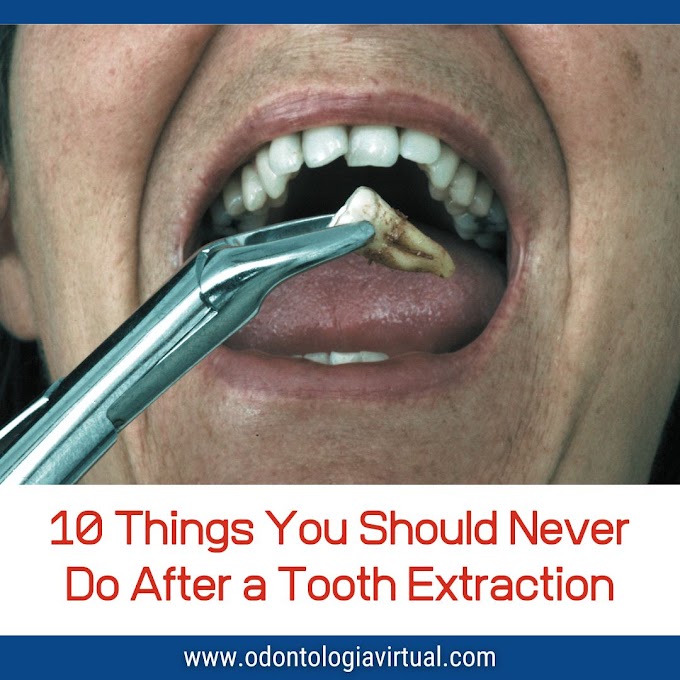
While historically considered a preventive strategy to avoid crowding and relapse, current evidence suggests that the indication for third molar removal must be individualized, based on anatomical, pathological, and orthodontic considerations rather than routine protocols.
Orthodontic treatment planning has evolved significantly, integrating advanced imaging modalities such as CBCT, digital setups, and predictive biomechanics.
Within this framework, third molars are no longer viewed as universal contributors to anterior crowding, but rather as potential risk factors under specific clinical circumstances.
Therefore, understanding when and why to extract them is essential for optimizing treatment stability and minimizing complications.
Do Third Molars Cause Anterior Crowding?
One of the most persistent myths in orthodontics is that erupting third molars exert sufficient anterior force to cause mandibular incisor crowding.
However, multiple longitudinal and systematic studies have demonstrated that:
✔ The force generated by third molar eruption is minimal and inconsistent.
✔ Late mandibular crowding is a multifactorial process involving growth changes, soft tissue pressures, and occlusal dynamics.
✔ There is no strong evidence supporting prophylactic third molar extraction solely to prevent crowding.
Thus, routine removal of asymptomatic third molars for orthodontic stability is not supported by high-level evidence.
Indications for Third Molar Extraction Before Orthodontics
Despite the lack of evidence for preventive extraction, there are well-established clinical scenarios where third molar removal is justified prior to orthodontic treatment:
1. Lack of Space and Impaction Risk
✔ Mesioangular, horizontal, or vertical impactions that may compromise adjacent second molars.
✔ Insufficient retromolar space identified radiographically.
2. Pathological Conditions
✔ Pericoronitis.
✔ Cyst formation (e.g., dentigerous cysts).
✔ Caries affecting third or adjacent second molars.
✔ External root resorption of second molars.
3. Orthodontic Mechanics and Anchorage Considerations
✔ Cases requiring distalization of molars.
✔ Surgical orthodontic approaches where third molars interfere with osteotomies (e.g., orthognathic surgery).
4. Periodontal Concerns
✔ Difficulty in maintaining hygiene leading to localized periodontal defects.
✔ Increased risk of distal bone loss on second molars.
Timing of Extraction: Before, During, or After Orthodontics?
The timing of third molar extraction plays a crucial role in treatment efficiency and patient outcomes:
✔ Before Orthodontics:
Recommended when third molars may interfere with tooth movement or present pathology. Early removal (typically between ages 17–20) may reduce surgical complications due to incomplete root formation.
✔ During Orthodontics:
In select cases, extraction may be coordinated with treatment progression, particularly when monitoring eruption patterns.
✔ After Orthodontics:
Considered when third molars become symptomatic or pose long-term risks, but not necessarily for relapse prevention.
Impact on Orthodontic Stability
The relationship between third molars and post-treatment relapse remains controversial. Current evidence indicates that:
✔ Third molars are not a primary etiological factor in relapse.
✔ Retention protocols (fixed or removable retainers) are far more critical in maintaining alignment.
✔ Long-term stability depends on growth patterns, periodontal health, and patient compliance.
Therefore, extraction decisions should not be based solely on relapse prevention assumptions.
Risk-Benefit Analysis
Clinicians must carefully weigh the benefits and risks of third molar extraction:
Benefits
✔ Prevention of future pathology.
✔ Improved access for orthodontic mechanics.
✔ Reduced risk of second molar damage.
Risks
✔ Surgical complications (e.g., nerve injury, infection, dry socket).
✔ Postoperative morbidity.
✔ Unnecessary intervention in asymptomatic patients.
A patient-centered, evidence-based approach is essential, incorporating clinical examination, radiographic findings, and interdisciplinary consultation.
Clinical Recommendations
✔ Avoid routine prophylactic extraction of asymptomatic third molars.
✔ Use CBCT imaging when necessary to assess proximity to vital structures.
✔ Collaborate with oral surgeons for complex cases.
✔ Educate patients on the risks, benefits, and alternatives.
✔ Prioritize individualized treatment planning over generalized protocols.
Conclusion
Third molar extraction before orthodontic treatment should not be considered a standard or preventive procedure, but rather a carefully evaluated clinical decision.
Modern orthodontics emphasizes precision, evidence-based practice, and patient-specific strategies.
By integrating diagnostic tools and current scientific evidence, clinicians can optimize both functional and long-term outcomes while minimizing unnecessary surgical interventions.
👉 We invite the global dental community to deepen their understanding of this topic by reviewing the latest scientific evidence and clinical guidelines. Stay updated, refine your clinical criteria, and continue delivering patient-centered orthodontic care.